
Fistula
Advanced Treatment of Complex Fistula in Ano: A Challenging Case Study at DLPC with Modern Protocols
Read more →Do Hemorrhoids Turn into Cancer? Understanding the Truth
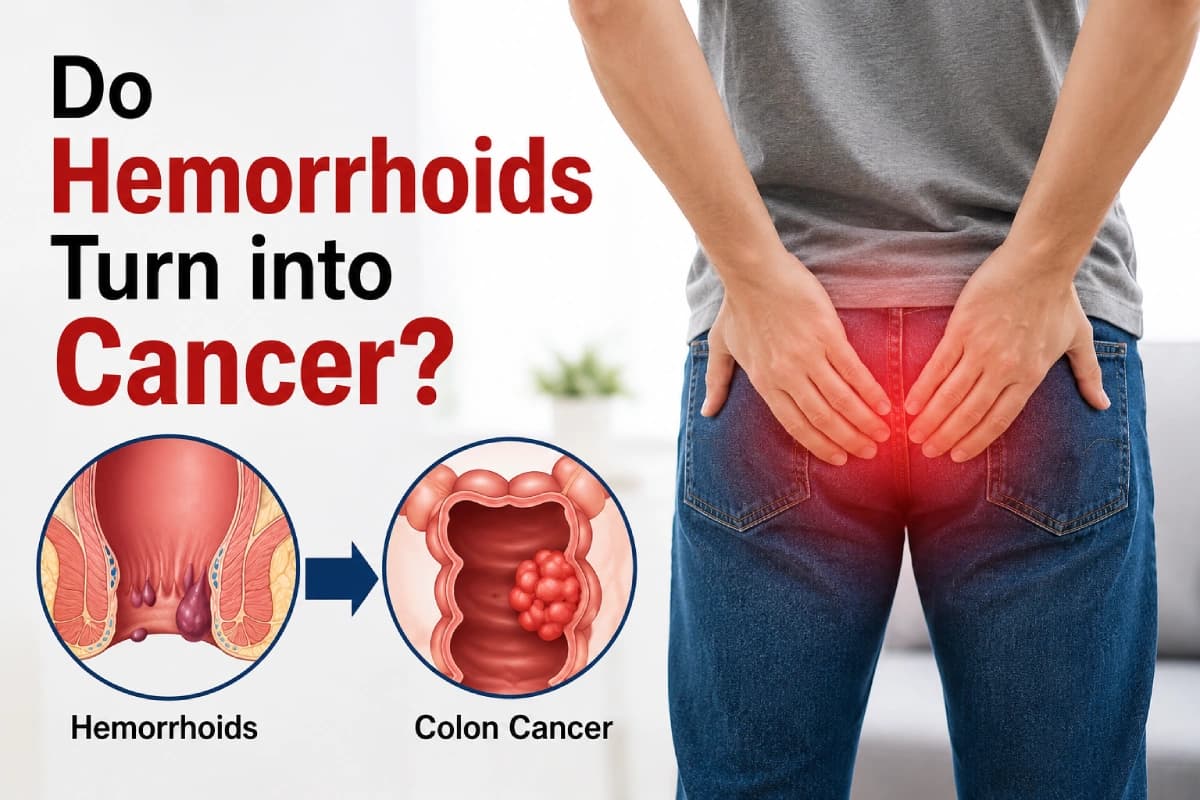
Hearing the word cancer can be frightening, especially if you're experiencing symptoms like rectal bleeding, pain, or discomfort. Many people with hemorrhoids (piles) worry that the condition could eventually develop into cancer. Fortunately, this is a common myth.
The truth is hemorrhoids do not turn into cancer. However, because hemorrhoids and colorectal cancer can share similar symptoms, it is important to understand the difference and know when to seek medical attention.
What Are Hemorrhoids?
Hemorrhoids, commonly known as piles, are swollen veins in the lower rectum or around the anus. They are a common and treatable condition that may cause:
Although these symptoms can be distressing, hemorrhoids are non-cancerous and do not become cancer over time.
Can Hemorrhoids Turn into Cancer?
No. Hemorrhoids cannot turn into cancer.
There is no medical evidence that hemorrhoids increase the risk of developing colorectal cancer or anal cancer. They are entirely different conditions with different causes, progression, and treatments.
The concern arises because both hemorrhoids and colorectal cancer may cause rectal bleeding. Assuming that every episode of bleeding is due to hemorrhoids can delay the diagnosis of a more serious condition.
Hemorrhoids vs. Colorectal Cancer: Similar Symptoms
Both conditions may present with:
Because these symptoms overlap, it is impossible to determine the cause based on symptoms alone. A proper medical examination is essential.
While hemorrhoids are common, certain symptoms should never be ignored. Consult a proctologist if you experience:
To determine whether your symptoms are caused by hemorrhoids or another condition, your doctor may recommend:
These investigations help diagnose hemorrhoids accurately while ruling out colorectal cancer and other anorectal conditions.
One of the biggest mistakes people make is assuming that all rectal bleeding is caused by piles. While hemorrhoids are a common cause, bleeding can also be a sign of colorectal cancer, anal fissures, polyps, inflammatory bowel disease, or other digestive disorders.
Seeking medical advice early can lead to prompt diagnosis and appropriate treatment.
Hemorrhoids do not turn into cancer. They are a common, non-cancerous condition that can usually be treated effectively. However, because the symptoms of hemorrhoids and colorectal cancer can be similar, persistent rectal bleeding or changes in bowel habits should never be ignored.
If you notice ongoing symptoms, consult a qualified proctologist for a proper evaluation. Early diagnosis not only provides peace of mind but also helps detect serious conditions at the earliest possible stage.
Can piles become cancer if left untreated?
No. Even if left untreated, hemorrhoids do not become cancer. However, they may worsen and cause increased pain, swelling, or bleeding.
Is rectal bleeding always caused by hemorrhoids?
No. Rectal bleeding can also be caused by colorectal cancer, anal fissures, polyps, inflammatory bowel disease, and other gastrointestinal conditions.
How can I know if my bleeding is from hemorrhoids or cancer?
Symptoms alone cannot reliably distinguish between the two. A consultation with a proctologist and appropriate diagnostic tests are the best way to identify the cause.
If you're experiencing rectal bleeding, pain, swelling, or discomfort, don't ignore the symptoms or rely on self-diagnosis.
At Dr. Laxman Proctology Center, our specialists provide expert diagnosis and advanced treatment for hemorrhoids, fissures, fistulas, and other anorectal conditions using modern, minimally invasive techniques.
Early consultation can make all the difference. Book your appointment today.
Advanced Treatment of Complex Fistula in Ano: A Challenging Case Study at DLPC with Modern Protocols
Read more →
Treatment for Complex Ventral Hernia in an aged & debilitated female with a previous history of multiple surgeries: A Case Study
Read more →
Free 2-minute call with our team. No obligation. 100% private. Home the same day.
25,000+ patients · 25+ years · Saifee · Nanavati · Apollo